
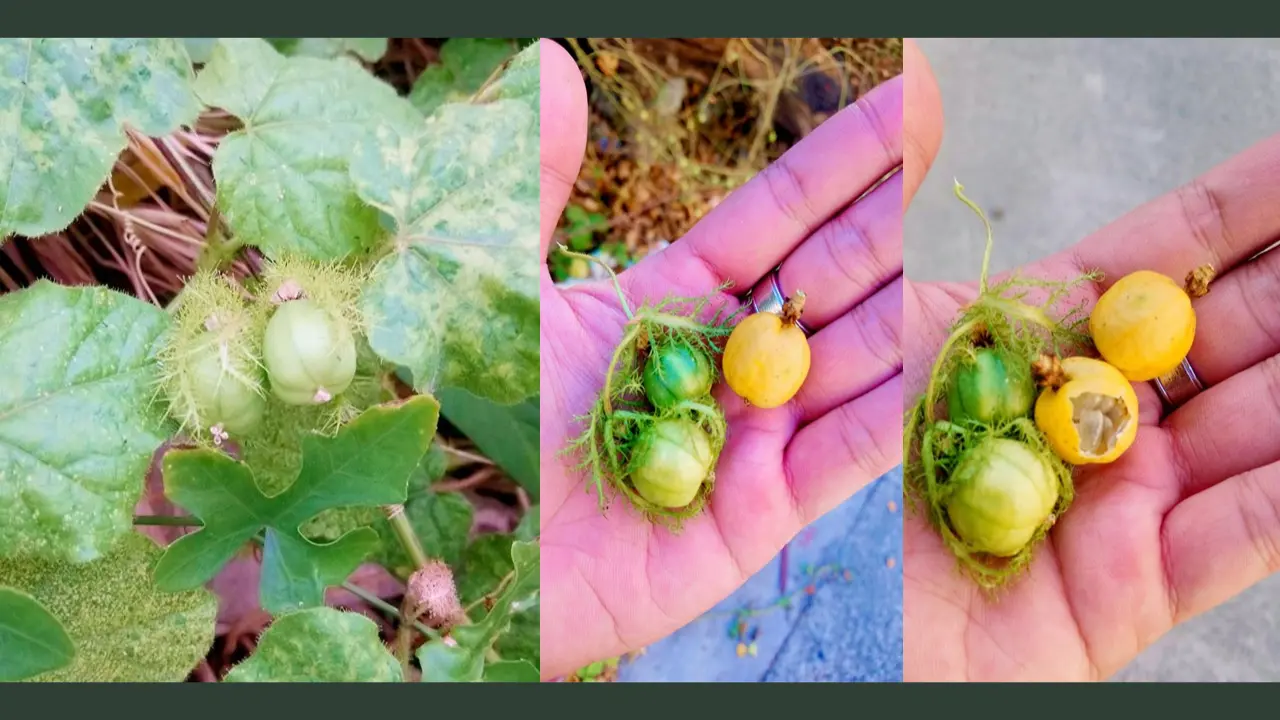
Passion Fruit in Tagalog Meaning, Uses, and Benefits
If you’ve ever wondered about passion fruit in Tagalog, you’re not alone. This tropical fruit is widely loved across the Philippines, yet many people are unsure about its exact name, uses, and benefits in the local language. In this guide, we’ll explore everything you need to know about passion fruit in Tagalog, including its translation, cultural relevance, health benefits, and how it’s commonly used in Filipino cuisine.
What Is Passion Fruit in Tagalog?
The term passion fruit in Tagalog is commonly translated as “marakuya.” This word is widely recognized in the Philippines and is used in markets, recipes, and everyday conversations. Marakuya refers to the same fruit known globally as passion fruit—a round or oval fruit with a tough outer rind and juicy, seed-filled interior.
In some regions, you might also hear slight variations in pronunciation, but “marakuya” remains the most accepted and widely used translation for passion fruit in Tagalog.
Origin and Popularity in the Philippines
Although passion fruit is native to South America, it thrives in tropical climates, making the Philippines an ideal place for cultivation. Over time, the fruit has become popular in many parts of the country, especially in provinces where farming is common.
The growing interest in healthy, natural foods has further increased awareness of passion fruit in Tagalog, as more Filipinos incorporate marakuya into their diets.
Nutritional Value of Passion Fruit
Understanding passion fruit in Tagalog also means recognizing its impressive nutritional profile. Marakuya is packed with essential nutrients that support overall health.
Here are some key nutrients found in passion fruit:
- Vitamin C – boosts immunity and skin health
- Vitamin A – supports vision and eye health
- Dietary fiber – aids digestion
- Antioxidants – help fight free radicals
- Potassium – supports heart health
Because of these benefits, passion fruit in Tagalog is often considered a superfood in local communities.
Health Benefits of Marakuya
When discussing passion fruit in Tagalog, it’s important to highlight its health benefits. Regular consumption of marakuya can contribute to better overall well-being.
Supports Digestive Health
Marakuya is rich in fiber, which helps regulate bowel movements and improve gut health.
Boosts Immunity
Thanks to its high vitamin C content, passion fruit in Tagalog can strengthen your immune system and help prevent common illnesses.
Promotes Heart Health
The potassium and antioxidants in marakuya support healthy blood pressure and reduce the risk of heart disease.
Improves Skin Health
Vitamin A and antioxidants help maintain healthy, glowing skin and may slow signs of aging.
Aids in Weight Management
Low in calories but high in nutrients, passion fruit in Tagalog is an excellent addition to a balanced diet.
Common Uses of Passion Fruit in the Philippines
Marakuya is versatile and can be used in many delicious ways. When talking about passion fruit in Tagalog, it’s worth exploring how Filipinos enjoy this fruit in everyday life.
Fresh Consumption
Many people simply cut the fruit in half and scoop out the pulp with a spoon. It’s tangy, sweet, and refreshing.
Juices and Beverages
One of the most popular uses of passion fruit in Tagalog is in making juice. Marakuya juice is both refreshing and nutritious, especially during hot weather.
Desserts
Marakuya is often used in desserts like:
- Cakes
- Ice cream
- Gelatin
- Tarts
Its unique flavor adds a tropical twist to sweet dishes.
Sauces and Flavoring
Some Filipino recipes use passion fruit pulp as a sauce or flavor enhancer, especially for seafood and grilled dishes.
How to Grow Passion Fruit in the Philippines
If you’re interested in growing passion fruit in Tagalog, you’ll be happy to know that marakuya is relatively easy to cultivate.
Basic Growing Tips:
- Climate: Thrives in warm, tropical environments
- Soil: Well-drained, fertile soil is best
- Sunlight: Needs full sun exposure
- Watering: Regular watering, but avoid overwatering
- Support: Vines require trellises or support structures
With proper care, marakuya plants can produce fruit within a year.
Cultural and Local Significance
While not as traditional as mangoes or bananas, passion fruit in Tagalog has gained recognition in recent years. It is often sold in local markets and roadside stands, especially in rural areas.
As more Filipinos become health-conscious, marakuya is increasingly valued for its nutritional benefits and unique taste.
Tips for Choosing and Storing Passion Fruit
To fully enjoy passion fruit in Tagalog, it’s important to know how to select and store it properly.
Choosing the Best Fruit:
- Look for slightly wrinkled skin (a sign of ripeness)
- Choose fruits that feel heavy for their size
- Avoid overly hard or green fruits
Storage Tips:
- Store ripe passion fruit in the refrigerator
- Unripe fruit can be kept at room temperature until it ripens
- Consume within a few days for the best flavor
Final Thoughts
Understanding passion fruit in Tagalog goes beyond just knowing its translation. Known locally as marakuya, this fruit is a nutritious, versatile, and increasingly popular addition to Filipino diets. From its health benefits to its culinary uses, passion fruit offers something for everyone.
Whether you enjoy it fresh, in juice, or as part of a dessert, incorporating passion fruit in Tagalog into your meals is a delicious way to boost your health and experience a unique tropical flavor.