Value Blox Fruit Guide For Traders And Players
If you’ve spent any time playing Blox Fruits on Roblox, you already know that fruits are the heart of the game. Whether you’re grinding levels, battling bosses, or trading with other players, understanding the value blox fruit system can make the difference between a fair trade and a major loss. In this in-depth guide, we’ll explore how fruit values work, what determines pricing, and how you can stay ahead in the trading market.
What Is Blox Fruits?
Before diving deep into trading values, it’s important to understand the game itself. Blox Fruits is one of the most popular experiences on Roblox, inspired by the anime One Piece. In the game, players gain powers by consuming special fruits that grant unique abilities.
Each fruit comes with different skills, rarity levels, and combat advantages. Some fruits are ideal for PvP battles, while others are better suited for farming and grinding. Because of these differences, players have created an active trading community where fruit values constantly shift based on demand, updates, and meta changes.
Why Understanding Value Blox Fruit Matters
Trading is a huge part of Blox Fruits. Players exchange fruits to build stronger loadouts or to collect rare items. If you don’t understand the value blox fruit economy, you risk overpaying or undervaluing your inventory.
Fruit values are not fixed. While the game assigns a base price in Beli or Robux, actual player-to-player trading values often differ dramatically. For example, a fruit that costs less in the shop might be more valuable in trades due to PvP dominance or limited availability.
That’s why experienced players constantly monitor updates, tier lists, and community discussions to determine the current value blox fruit rankings.
How Fruit Values Are Determined
The value blox fruit system is shaped by several important factors.
First is rarity. Fruits are generally categorized as Common, Uncommon, Rare, Legendary, or Mythical. Mythical fruits naturally command a higher value because they’re harder to obtain.
Second is demand. Even if a fruit is rare, it won’t maintain high trading value unless players actively want it. For example, fruits that dominate PvP often surge in popularity after balance updates.
Third is utility. Some fruits are incredibly strong for grinding levels quickly. Others are best for raids or boss fights. Fruits that offer versatility tend to hold stronger positions in the value blox fruit trading economy.
Lastly, updates can dramatically change fruit values overnight. A rework or buff can skyrocket demand, while a nerf can drop a fruit’s trading price instantly.
High-Value Fruits in the Market
Although values fluctuate, some fruits consistently remain among the most valuable in the game.
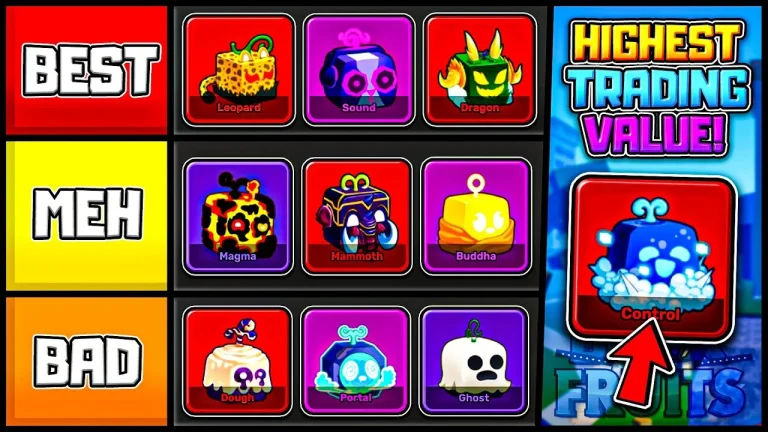
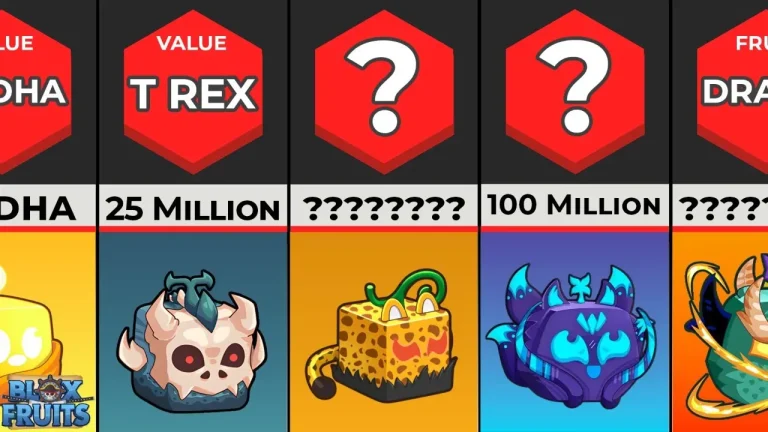
Dragon Fruit is widely regarded as one of the top-tier fruits due to its powerful abilities and serious damage output. Because of its combat dominance and rarity, it typically commands a high value blox fruit trade rate.
Leopard Fruit is another fruit that often tops trading lists. Its transformation abilities and PvP strength make it extremely desirable.
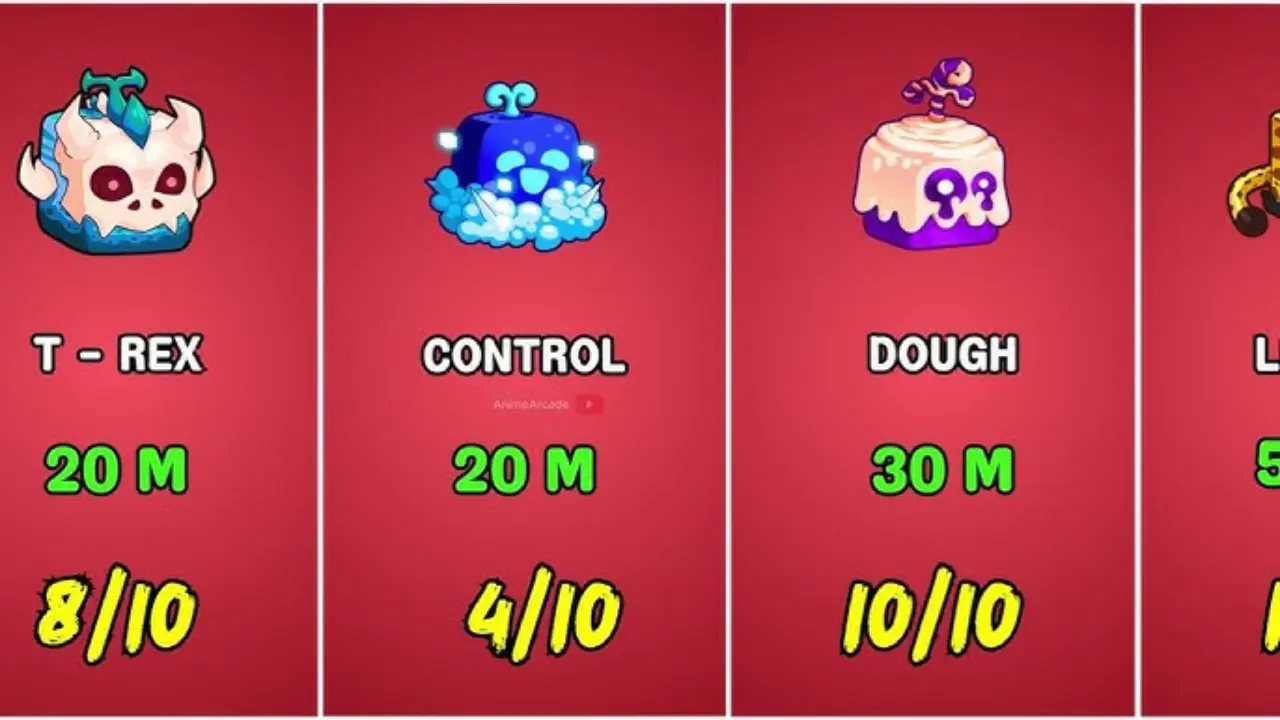
Dough Fruit has also maintained strong value due to its awakened form and combo potential. Whenever it receives updates or balance changes, its trading value can spike significantly.
These fruits illustrate how demand and performance directly influence the value blox fruit market.
The Difference Between Shop Price and Trading Value
Many beginners assume that the in-game shop price equals trading value. However, this is rarely true.
For example, a fruit might cost millions of Beli in the shop, but if it’s weak in the current meta, players may not trade high-tier fruits for it. Conversely, some fruits with moderate shop prices may have extremely high trade demand because they dominate PvP or are difficult to obtain.
Understanding this difference is crucial if you want to navigate the value blox fruit economy successfully. Always check current trading trends instead of relying solely on shop costs.
Seasonal and Update-Based Value Changes
One of the most exciting aspects of Blox Fruits trading is how quickly things change. Every major update can shift the entire value blox fruit hierarchy.
When developers introduce fruit reworks, awakenings, or balance patches, certain fruits become significantly stronger. Players rush to acquire them, increasing demand and pushing trade values upward.
On the other hand, if a fruit receives a nerf, its desirability can drop. Traders who understand update cycles can take advantage of this by buying low before a rework or selling high when demand peaks.
This dynamic environment makes fruit trading both risky and rewarding.
How to Trade Smartly
If you want to maximize your gains, there are several strategies to follow.
First, research current trading servers and community discussions. Values shift often, so staying informed is key.
Second, avoid emotional trades. Just because a fruit looks cool doesn’t mean it holds high value in the current market. Base your decisions on demand and meta performance.
Third, consider long-term potential. Some fruits rise in value after updates. If you anticipate a rework or buff, holding onto a fruit could increase your future trade profits.
Lastly, compare multiple offers before finalizing a deal. The value blox fruit market can vary slightly between servers, and patience often leads to better returns.
Beginner Mistakes to Avoid
Many new players lose valuable fruits because they don’t understand trading fundamentals.
One common mistake is overpaying for hype. When a fruit becomes trendy, inexperienced traders sometimes offer multiple high-tier fruits without checking actual value equivalency.
Another mistake is ignoring utility. Just because a fruit is Mythical doesn’t mean it’s ideal for your playstyle. Sometimes a Legendary fruit provides better grinding performance.
Understanding true value blox fruit comparisons helps you avoid these pitfalls.
The Role of Community Tier Lists
Community-created tier lists play a big role in shaping the value blox fruit market. While not official, these lists influence player perception and demand.
When a fruit is ranked S-tier for PvP or grinding, demand increases almost instantly. This perceived power directly impacts trade negotiations.
However, it’s important to treat tier lists as guides, not absolute rules. Personal skill, build compatibility, and update timing also influence real value.
Long-Term Investment in Blox Fruits
Some players treat fruit trading like a stock market. They invest in fruits that are currently undervalued and wait for updates that might boost their worth.
For example, when rumors of a fruit rework circulate, experienced traders may stockpile that fruit in anticipation of rising demand. If the rework makes it stronger, its value blox fruit position can climb rapidly.
This long-term mindset requires patience, awareness of developer trends, and a willingness to take calculated risks.
Final Thoughts
Mastering the value blox fruit economy is essential if you want to thrive in Blox Fruits trading. Prices are shaped by rarity, demand, updates, and player perception. Understanding these factors allows you to trade confidently and avoid costly mistakes.
Whether you’re chasing high-tier Mythical fruits or building a balanced inventory, staying informed is your greatest advantage. Monitor updates, watch community trends, and think strategically before every trade.